


Effective Stress Management Techniques for a Healthier Life
Stress has become an unavoidable part of modern life, affecting both mental and physical well-being. While a small amount of stress can sometimes motivate us, chronic stress can lead to serious health issues such as anxiety, fatigue, weakened immunity, and even heart problems. The good news is that stress can be managed effectively with the right techniques and habits. By learning how to respond to stress in a healthy way, you can regain control over your emotions, improve your focus, and enhance your overall quality of life. The key lies in adopting simple, practical strategies that you can apply consistently in your daily routine.
Practice Deep Breathing and Relaxation Techniques
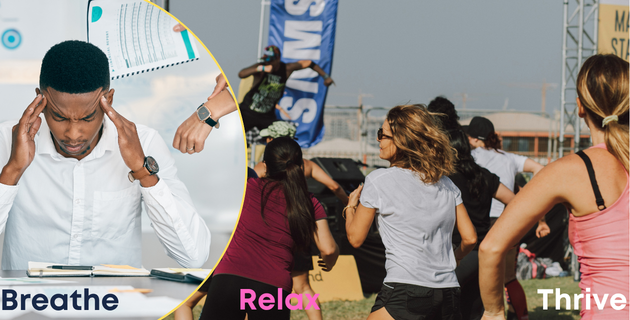
One of the quickest and most effective ways to calm your mind and body is through deep breathing. When you are stressed, your body enters a fight-or-flight mode, increasing your heart rate and tension levels. Deep breathing helps activate the parasympathetic nervous system, which promotes relaxation and reduces stress. A popular method is the 4-7-8 breathing technique: inhale slowly through your nose for four seconds, hold your breath for seven seconds, and then exhale gently through your mouth for eight seconds. Repeating this cycle a few times can bring immediate calmness. Along with breathing exercises, practices like meditation, mindfulness, and progressive muscle relaxation can help you stay centered and reduce mental clutter.
Stay Physically Active to Release Stress
Physical activity is one of the most powerful tools for managing stress. Exercise not only improves physical fitness but also has a direct impact on your mental health. When you engage in activities like walking, jogging, cycling, or even dancing, your body releases endorphins—chemicals that act as natural mood boosters. Regular movement also helps reduce tension, improve sleep, and increase overall energy levels. You don’t need an intense workout to experience these benefits; even a 15 to 20-minute walk can help clear your mind and improve your mood. Making exercise a regular part of your routine can significantly lower stress levels over time.
Set Boundaries and Manage Your Time Wisely
A major cause of stress is feeling overwhelmed by responsibilities and a lack of balance between work and personal life. Setting clear boundaries is essential to protect your mental well-being. Decide specific times for work-related tasks and avoid checking emails or messages outside those hours whenever possible. Creating a structured routine helps you stay organized and prevents unnecessary pressure. Additionally, establish small rituals that signal the end of your workday, such as going for a walk, listening to music, or spending time with family. These habits help your mind shift from work mode to relaxation mode, reducing stress and improving your overall sense of balance.
Build Strong Social Connections and Support Systems
Human connection plays a vital role in managing stress. Sharing your thoughts and feelings with trusted friends, family members, or colleagues can provide comfort and perspective. Social support helps you feel understood and less isolated during challenging times. Make an effort to spend quality time with people who uplift and encourage you. Whether it’s a casual conversation, a shared meal, or participating in group activities, these interactions can significantly improve your mood. If you’re feeling particularly overwhelmed, joining a community group or seeking professional support can also be beneficial. Remember, you don’t have to handle stress alone—reaching out is a sign of strength, not weakness.
Stay Consistent and Prioritize Your Well-Being
Managing stress is not a one-time effort but an ongoing process that requires consistency and self-awareness. It’s important to recognize your stress triggers and develop habits that help you cope effectively. Small daily practices, such as taking breaks, maintaining a healthy lifestyle, and practicing gratitude, can make a big difference over time. Prioritize your well-being by giving yourself permission to rest and recharge. When you consistently apply these techniques, you’ll notice improved mental clarity, better emotional control, and a more positive outlook on life. Ultimately, managing stress is about creating a balanced lifestyle where your mind and body can function at their best.